Perfecting Essential Exercise Progressions for Peak Results in Functional Training
Mastering the essential motion patterns is a critical component of functional exercise that allows people to achieve optimal results while reducing the chance of injury. Practical training emphasizes on exercises that replicate natural physical actions, such as lunging, pushing, dragging, and rotating. Understanding these core movement patterns provides a base for all other exercises and tasks, from daily activities to athletic execution. Proper form, alignment, and physical mechanics are essential in these patterns to maintain balanced strength activation and joint support. When these patterns are properly practiced, the physique can function efficiently, produce power, and retain control across a wide range of motion.
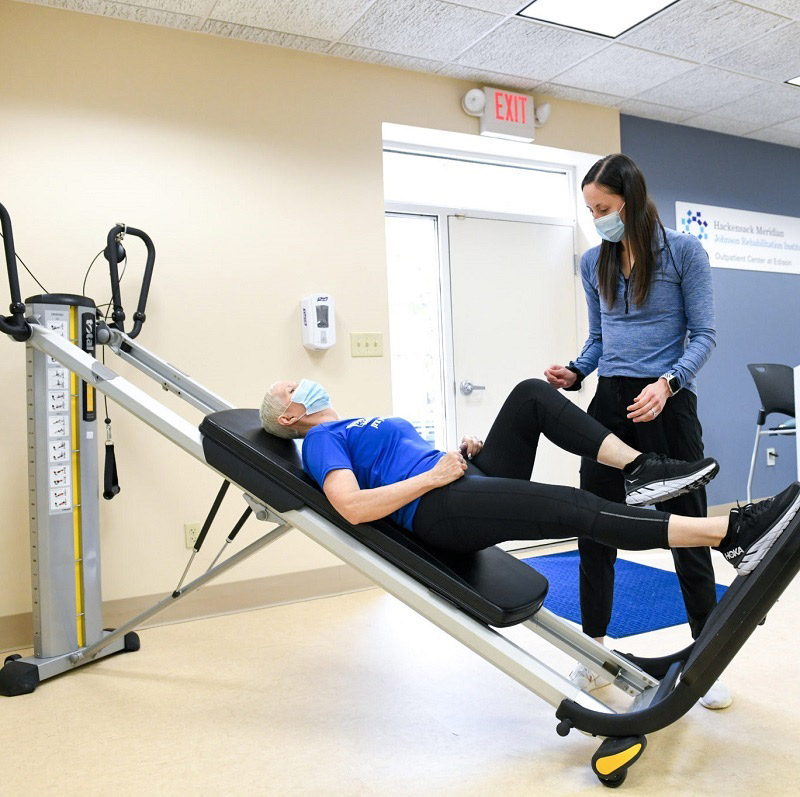
Perfecting fundamental movement patterns demands attention to balance, mobility, and control. Stability is vital for holding proper alignment during active movements, while range of motion enables the joints to function freely without restriction. Synchronization ensures that multiple muscular groups work in unison smoothly. For example, a lunge requires the coordination of the pelvis, knees, and ankles while maintaining back alignment and activating the midsection. Training plans that prioritize controlled, deliberate form of these patterns improve muscle coordination, enabling the brain and body to coordinate effectively. Over time, regular practice reinforces supporting structures, enhances joint integrity, and boosts total athletic potential.
Improving results in practical training includes incorporating progression and diversity into movements. Beginners may start with bodyweight forms of fundamental patterns, while advanced trainees blog here can implement resistance bands, dumbbells, or balance surfaces to stimulate power, stability, and endurance. Progression should adhere to a structured sequence, starting with mastering the foundational technique and gradually raising load, tempo, or complexity. This approach not only develops muscular ability but also reduces the risk of compensatory patterns that can contribute to strain. Coaches and trainers often employ pattern evaluations to identify weaknesses or asymmetries, customizing programs to address individual requirements and enhance practical performance.
Consistent practice of these core movement frameworks develops muscular stamina, joint integrity, and movement coordination. Functional exercise emphasizes multi-joint movements that activate several muscle groups simultaneously, creating more effective and organic motion patterns. For example, a press-and-row sequence can work the pectorals, back, shoulders, and arms while improving joint support. Incorporating rotational and anti-rotational exercises helps improve midsection stability, coordination, and the capacity to produce force in varied planes. By conditioning the physique in methods that mirror real-life demands, individuals improve their ability to execute everyday movements, athletic actions, and body intense activities safely and effectively.
Incorporating these core motion patterns into a structured program promotes long-term health and peak performance. Practical exercise not only builds muscular system but also enhances alignment, control, and total motion efficiency. Correct execution and consistent training enable the body to adapt to physical demands while minimizing the risk of strain. Individuals who consistently Get More Info train with these principles gain strength, flexibility, and confidence in their movement abilities. Whether for athletes seeking competitive advantage or adults striving for better physical function, mastering and enhancing fundamental movement patterns is a foundation of effective practical exercise.